From Innovative Design to Meticulous Maintenance, We Deliver Exceptional Results Tailored to your vision.
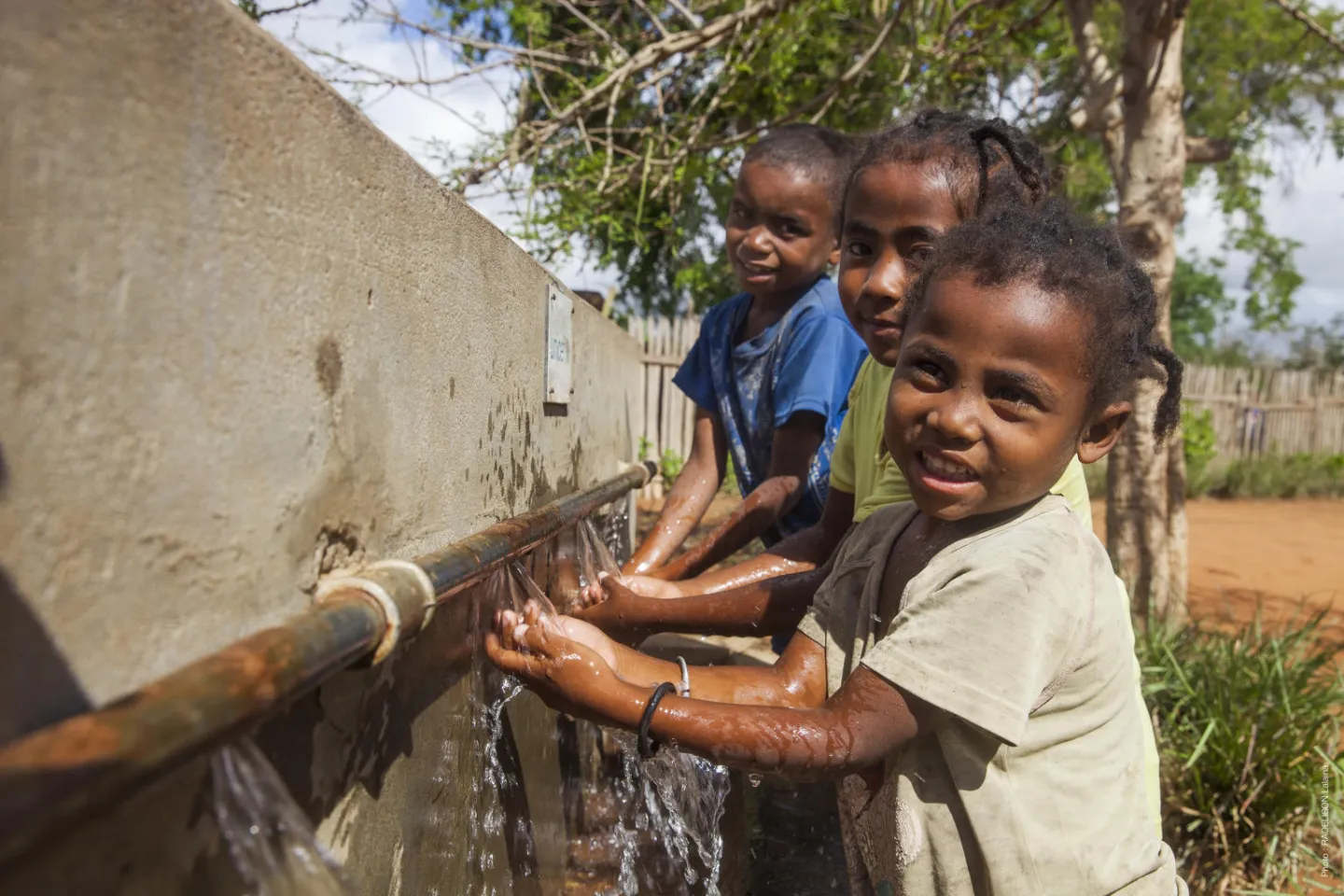
The project aimed to improve access to safe and sustainable water for over 15,000 households in Kyengera and other districts , Uganda, while also enhancing sanitation and reducing waterborne diseases through community awareness and sensitization. It seeks to ensure the sustainable operation and maintenance of existing water sources by adopting a prepaid meter water access system (Sunda Technology). The initiative targets water-stressed communities across 22 sites with broken boreholes, with each rehabilitated site expected to serve between 100 and 200 households per day.
Providing financial education
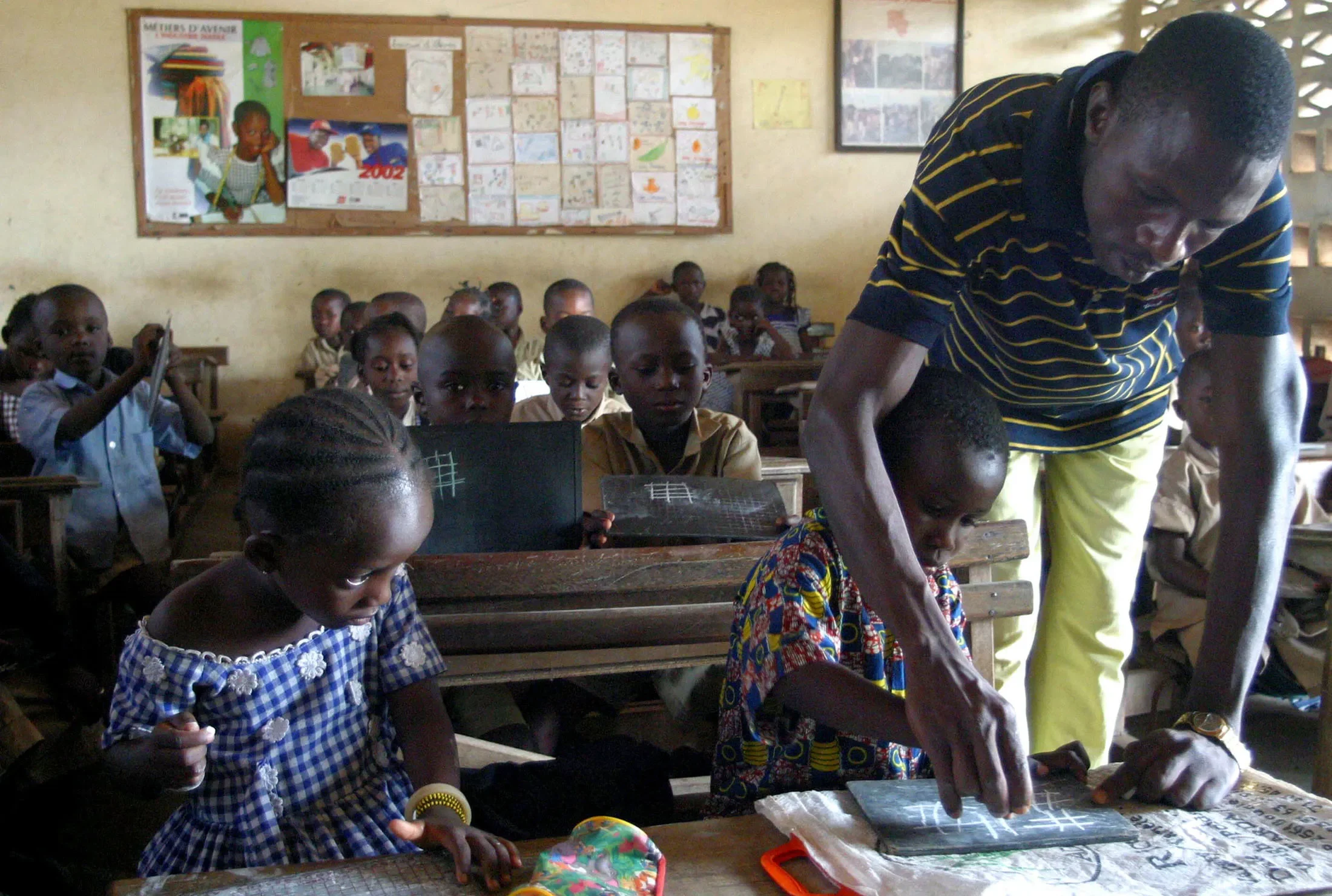
In an effort to empower high school students to make informed financial decisions, the Rotaract Club of Kyengera conducted financial literacy trainings. The program focused on introducing youth to sound money management practices and instilling confidence in making good financial decisions. The trainings also fostered an interest in investment and entrepreneurship.
Lighting up homes
The Rotaract Kyengera Town Organization Light Up Homes project to provide light and electricity to indigenous families living in remote villages. The project aimed to meet a basic need by providing light and electricity while minimizing the use of kerosene and other expensive and dangerous fossil fuels. Through solar power lighting, families live more comfortably, efficiently undertake household chores, and children are able to study after sundown.
BUILDING PEACE
TIPS FOR SUCCESS Use role-playing, sports, or other experience-based learning methods to teach children and young adults socially appropriate ways of dealing with conflict. Work with local organizations that community members trust and have a relationship with. Train community leaders in strategies to prevent and mediate conflict, such as facilitating community dialogue and initiating alternative dispute-resolution practices. Partner with Rotary Peace Fellows and other conflict-prevention experts and organizations.
HEALTH CARE
SERVICES
TIPS FOR SUCCESS Work with local, regional, district, and national health systems to increase people’s access to equipment, facilities, and the latest health care programs. Incorporate innovative technologies and tools to extend the reach of health centers. Work with local health centers to develop programs that attract health workers with a variety of skills. Work with local universities, nursing schools, and other health care training facilities to provide education in locations where employees live, in order to maximize retention rates.
DISEASE PREVENTION AND TREATMENT
TIPS FOR SUCCESS Consult with Rotary members who have medical or public health expertise to assist in developing your project idea. Communicate with local and regional hospitals, clinics, universities, and ministries of health to avoid duplicating efforts and to take advantage of local resources. Enlist community health care workers and other health and medical volunteers to support project development and implementation. Partner with successful community-based organizations to strengthen their capacity and expand existing services.
SANITATION AND
HYGIENE
TIPS FOR SUCCESS Avoid telling a community what sanitation solutions it needs. Instead, work with residents to determine what technology and education is most appropriate, and explore several options. Be sure to include women in the discussion and decision-making process. Use professionals to develop and implement hygiene education programs that use participatory learning to promote behavior changes and healthy habits. Teaching that uses only methods such as lectures or informational pamphlets is rarely successful. Avoid fully subsidizing or donating toilet facilities to households, especially if a local market for sanitation is developing in the region. This can undermine the growth of local sanitation businesses and sanitation marketing campaigns.
ANTENATAL CARE,
CHILDBIRTH, AND
POSTPARTUM CARE
TIPS FOR SUCCESS Consult Rotary members who are trained in maternal and newborn health care, such as midwives, obstetricians, and gynecologists, to assist in developing your project idea. Work with local, regional, district, and national health systems to increase access to equipment, facilities, and the latest maternal and child health care programs. Work with community-based organizations that have expertise in maternal and child health. Empower community members to take over the management of training programs for local health care workers in order to ensure their sustainability.
COMMUNITY ECONOMIC DEVELOPMENT
TIPS FOR SUCCESS Consider which skills job seekers need for the local market and avoid teaching skills that aren’t in demand. Design your training in partnership with local networks (such as those that offer apprenticeships and international opportunities) to ensure that the training is relevant and that relationships can develop between trainers, trainees, and prospective employers. Remember that skill development can occur in formal, informal, and on-the-job settings. Engage with existing networking systems or create appropriate ones. Recruit high-potential participants, especially women
SUPPORTING STUDENTS
TIPS FOR SUCCESS Remove barriers to girls’ education caused by cultural attitudes, safety concerns, and the need for girls to contribute to the household economy. Gender equality is a vital part of sustainable community development. Empower students, parents, teachers, and administrators as decision-makers in your activities. Work with local organizations that can offer advice and resources to help you organize a training, tutoring, adult literacy, or mentoring program.
Get In Touch
We’d love to hear from you! Whether you have a question, a suggestion, or just want to say hello, feel free to reach out to us using the contact information below. Our team is dedicated to providing you with the support and assistance you need.